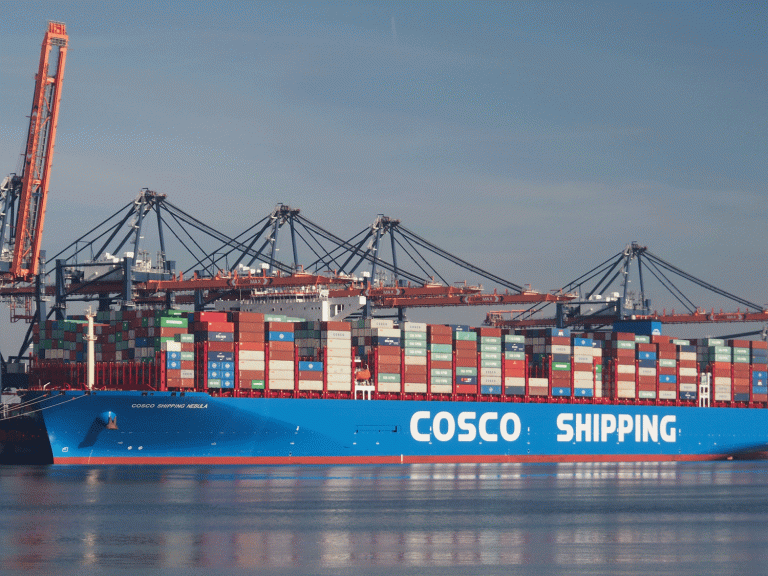
Disciplined capacity management shaping CNY sea freight
As Chinese New Year approaches, sea freight markets from Asia to Europe and the United States are being shaped less by price competition and more by carrier control.
This year’s seasonal peak has arrived earlier than normal, with demand pulled forward and capacity actively withdrawn to prote...
Read more Cautious CNY trans-Pacific surge
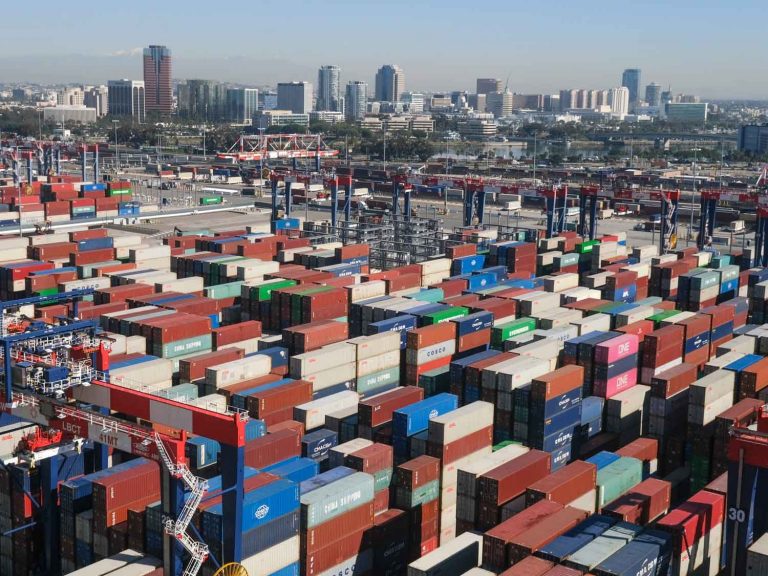
The trans-Pacific sea freight market is entering 2026 with pre-Chinese New Year volumes rising earlier than usual, spot rates climbing sharply and carriers leaning on capacity discipline to manage risk.
Despite Chinese New Year falling later than usual this year, shipment activity has moved fo...
Read more Capacity challenges continue for RoRo and project shipper
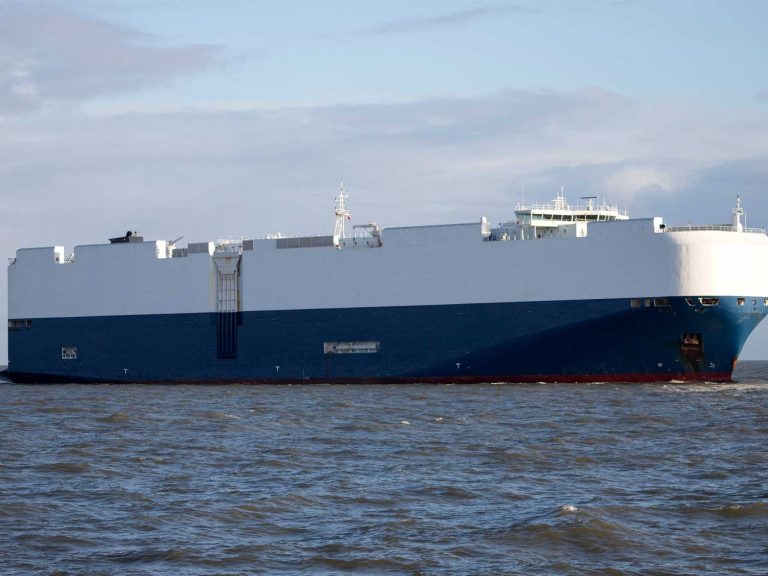
Roll-on/roll-off (RoRo) and project cargo shippers are entering a decisive phase, as fleet expansion, industrial investment and energy-driven demand are converging, creating both opportunity and pressure for shippers moving vehicles, machinery and oversized cargo.
The global Pure Car Carrier (...
Read more Smart 2026 supply chains are being engineered for pressure
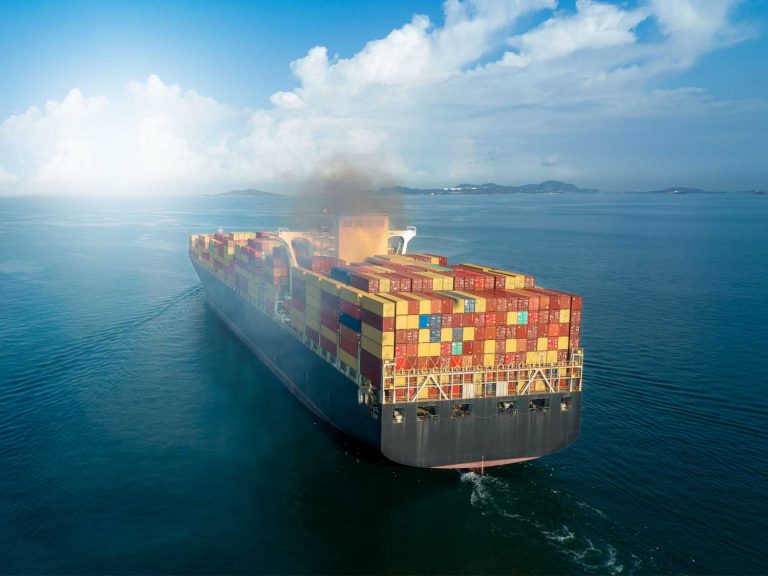
Supply chains are no longer judged on efficiency alone, in 2026 they will be expected to anticipate disruption and adapt at speed to actively support growth. The experience of the past year confirmed that stability is no longer a realistic planning assumption, but performance under pressure is.
...
Read more Asia–Europe peak season meets Chinese New Year
As the Asia–Europe trade moves deeper into peak season, Chinese New Year (CNY) is already reshaping pricing, capacity and execution risk. What was once a predictable seasonal slowdown has become a compressed, high-impact period where demand surges, capacity is tightly managed and disruption ris...
Read more UK supply chain policy is reshaping shipper risk and resilience
Government support for supply chains is increasingly being framed as a matter of national capability rather than short-term intervention. That shift was made explicit in June 2025, when the government’s Modern Industrial Strategy earmarked £600m for logistics sites, signalling that logistics, ...
Read more A year without reset: why 2025 changed how shippers plan for 2026
If 2025 was expected to mark a return to supply-chain stability, it didn’t arrive in a neat, predictable way. But for many shippers, the year still delivered something valuable: a clearer view of what “good” looks like in modern supply chains — not perfection, but performance under pressu...
Read more Weather Disruption Intensifies Across Global Supply Chains
High-impact storms, floods and late-season tropical systems across Asia, Europe and the Americas are no longer isolated shocks: climate-linked weather volatility is increasing in frequency, severity and geographic spread, and is now considered a structural threat to logistics reliability.
Stor...
Read more Sea freight heads into 2026 on a knife edge
Container spot rates are edging higher on the main deep-sea trades as carriers push through GRIs and FAK hikes into December. With blank sailings, worsening weather disruption and the risk of renewed port congestion, the run-up to Chinese New Year 2026 could be particularly challenging.
On Asi...
Read more Significant increases in ocean carrier emissions surcharges for 2026
The cost of complying with Europe’s Emissions Trading System (EU ETS) is rising sharply for container shipping lines, with ETS-linked surcharges set to rise again from 1 January 2026, when the scheme reaches full emissions coverage.
The EU ETS covers CO₂ emissions from large vessels callin...
Read more US Tightens Airfreight Security Rules for 2026
The United States is tightening air cargo security requirements, introducing enhanced data, screening and compliance measures that are expected to add more than $110m in annual costs.
The changes, effective from November, build on the Air Cargo Advance Screening (ACAS) programme, which require...
Read more Ex-Asia Ocean Spot Rates Surge as Carriers Withdraw Capacity
Asia–Europe ocean freight markets have tightened significantly through Q4, with carriers implementing repeated rate increases and withdrawing substantial capacity from key services.
Since early October, freight-all-kinds (FAK) levels have been raised at roughly fortnightly intervals, pushing...
Read more